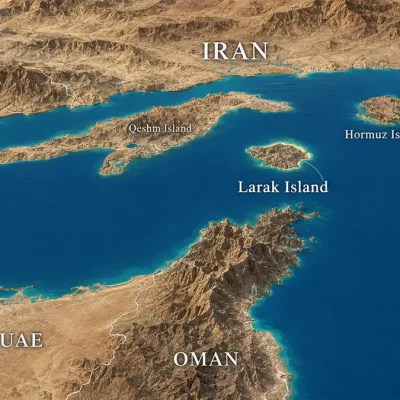


First: General situation
It is unlikely that the Iranian regime will respond to U.S. demands regarding nuclear negotiations, despite American pressure to force it to accept a nuclear agreement. Trump stated that he might launch a strike against Iran if it does not accept his conditions in the negotiations, urging Iran to “make a deal,” and warning that any potential U.S. attack on Iran would be “far worse” than the American attack on Iranian nuclear facilities in June 2025.
Second: Current size of U.S. forces in the Middle East
So far, there are no precisely updated official figures on the number of U.S. troops in the Middle East for 2026. However, based on open sources and analytical reports, the following can be estimated:
1. Total estimated forces
The approximate total number of U.S. forces deployed in the Middle East is between 40,000 and 60,000 troops, distributed across multiple bases in countries such as Kuwait, Qatar, the UAE, Bahrain, Iraq, and Jordan.
2. Presence in specific countries
- Iraq and Syria: Around 2,500 in Iraq and fewer than 1,000 in Syria after redeployments.
- As of February 2026, U.S. forces in Syria are estimated at around 900 troops.
3. New deployments
- Preparation to deploy a second aircraft carrier group.
- 15 F-35 aircraft deployed to Jordan (Muwaffaq Salti Air Base).
- Possible arrival of MQ drones.
4. Assets in Jordan
- 14 F-15 aircraft
- 2 KC-135 refueling aircraft
- 1 C-17 transport aircraft
- 15 F-35 stealth aircraft
- Possible 2 MQ drones
5. Strategic bombers
B-52 bombers may be present at Diego Garcia.
6. Naval presence
A submarine in the eastern Mediterranean, along with destroyers and other naval vessels.
Third: Preliminary assessment
- This buildup is likely preparation for failed negotiations with Iran.
- F-35 deployment increases strike probability and defensive capabilities.
Fourth: Expected combat actions
1. Strategic objectives
- Political: Force Iran into an agreement and reassure Israel.
- Military: Weaken Iran’s nuclear, missile, and economic capabilities.
2. Strike objectives
Targeting critical capabilities such as missile forces, command systems, and energy infrastructure to reduce Iran’s ability to escalate regionally.
3. Potential targets
- Missile sites
- Supreme Leader’s office
- Tehran oil refinery
- Ministry of Defense
- IRGC headquarters
- Basij headquarters
- Major oil refineries (Abadan, Isfahan, Bandar Abbas)
- Kharg oil terminal
- Shahid Rajaee Port
- South Pars gas field
4. Operational phases
Phase One: Cyber & Electronic Warfare
Disrupt command systems, disable radars, and confuse Iranian defenses. May include targeted assassinations or special operations.
Phase Two: Air & Missile Strikes
Precision strikes using cruise and ballistic missiles, supported by strategic bombers and allied aircraft.
Phase Three: De-escalation Prevention
Limited strikes to prevent retaliation and send deterrent messages.
Fifth: U.S. strengths and challenges
Strengths
- Air, naval, and space superiority
- Precision strike capability
- Regional alliances
- Technological superiority
Challenges
- Iran’s geography and defenses
- Asymmetric warfare threats
- Global energy market sensitivity
- Risk of escalation
- Domestic political pressure
Sixth: Iran’s strategic response
1. Strategic approach
Iran aims to turn the conflict into a regional war of attrition, breaking U.S. initiative and spreading the conflict across multiple fronts.
2. Expanding conflict zones
Lebanon, Iraq, Red Sea, Arabian Sea, and the Gulf.
3. Economic warfare
Targeting energy markets and global supply chains by disrupting maritime routes.
Operational measures
- Cyber and electronic warfare
- Attrition tactics
- Missile saturation attacks
- Information warfare and propaganda
Dr. Sayed Ghoneim