
Abu Dhabi will exit the exporters’ group on May 1 to pursue an independent output strategy
Assessment:
UAE is gradually getting out from three strategic pillars of strength of KSA (Political Islam – OPEC+ – Joint huge investments).
However, UAE move reflects the deepening of its strategic independence within GCC, not its withdrawal from it.
In more details, UAE’s position can be analyzed, as follows:
- Market Structure: Since the beginning of the millennium, the UAE has been striving to transform from a resource-based economy to a diversified, production-based one. As part of this process, the UAE is gradually moving away from the usual patterns of alliances and international organizations.
However, given that OPEC imposes a production quota system, I believe the UAE views leaving OPEC as a way to reclaim sovereignty over its most important resources, becoming a flexible, sovereign producer, similar to the United States or Norway, outside an organization that restricts its objectives. The UAE aims for the freedom to determine its production and expand to more than 5 million barrels per day.
- Gulf Balances:
Quietly, the UAE is breaking the Saudi monopoly within OPEC, which is the Kingdom’s most important source of power. The UAE’s exit undermines Saudi Arabia’s ability to lead the market, as it was the third-largest producer in OPEC and part of the spare capacity used to stabilize prices. Consequently, OPEC’s ability to control supply is diminishing, and the model of a single leader is weakening.
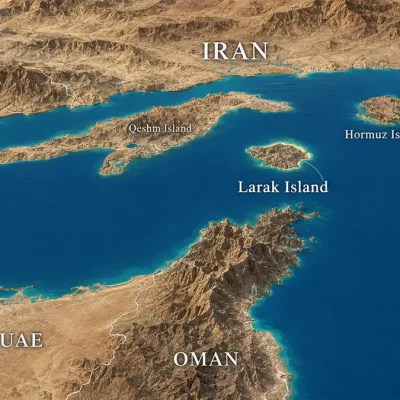
The timing here is no coincidence. The war with Iran, which led to the disruption of the Strait of Hormuz, resulted in a shortage of global supplies and a surge in prices (over $110 per barrel).
Thus, the UAE can emerge without a major price shock, and will even market itself as a substitute for the shortage, based on the premise that the world needs more oil, and the UAE will provide it.
This elevates its position as a supplier of last resort. - The (perhaps new) UAE model:
- Redefining the UAE’s role in the energy market. The UAE aims to maximize revenue through volume, rather than adhering to OPEC’s logic of high prices and limited production, shifting towards high production and a larger market share.
- Acting as a reliable oil supplier in a turbulent world. Russia and Iran are facing sanctions.
- A gradual disengagement from Saudi Arabia, but without confrontation, unlike previous disputes between the two countries over production quotas and competition in investment and ports. Today, the UAE’s withdrawal from OPEC, which constitutes a structural blow to the organization, following the earlier departures of other countries (such as Angola), indicates a pattern of countries with high production ambitions that can no longer tolerate the organization’s constraints.
However, as I mentioned in my initial assessment, a shared Gulf political framework still exists.
This could lead to a dangerous scenario: the gradual disintegration of OPEC, or its transformation into a merely symbolic forum.
Dr. Sayed Ghoneim