

1. A memorandum of understanding was signed electronically between the United States and Iran on June 15, 2026. This is almost the same day that the Joint Comprehensive Plan of Action (JCPOA) was signed in Vienna by Iran, the P5+1 countries, and the European Union 11 years earlier, in mid-June 2015. It seems as though Trump wants to erase the previous agreement from international memory and maintain the one he signed in its place. From Trump’s perspective, the difference between the two agreements is that the current agreement does not give Iran any opportunity to produce a nuclear weapon, unlike the first agreement.
2. The current agreement is being implemented within the framework of an extension of the ceasefire and a new 60-day negotiation period, not under normal peace conditions, or even under conditions of tension without conflict or its consequences.
3. A framework was established for subsequent, not immediate, nuclear negotiations, including the initiation of technical talks on nuclear stockpiles and enrichment limits. Disagreements persist regarding the details of implementation, including the nuclear stockpile, inspection mechanisms, and the sequence of procedures related to sanctions and frozen assets.
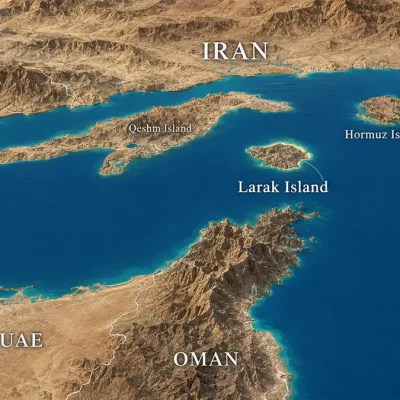
4. The existence of differing interpretations of the agreement between Washington and Tehran regarding frozen assets, management of the Strait of Hormuz, the Iranian missile program, and support for proxies, further weakens the agreement.
4. The persistence of fundamental disagreements that fueled the conflict, specifically concerning the missile program, Iran’s allied proxies, and the extent to which the Lebanese front is included within the ceasefire framework, given Israel’s refusal to adhere to the clauses pertaining to Lebanon and Hezbollah.
5. The possibility that one side will accuse the other of exploiting the 60-day period to gain time to bolster or rebuild its capabilities or regional influence.
6. The potential for the United States to find itself balancing the need to protect the agreement as a public relations victory for Trump and his administration with the need to meet Israeli security demands before Congress and Israeli lobbies in the United States, especially as the rift between Trump and Netanyahu widens.
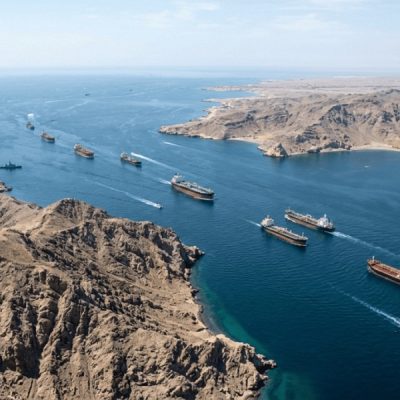
7. Continued maritime and commercial caution due to mine clearance and the lack of clarity regarding transit rules and enforcement mechanisms, coupled with the participation of an international naval force seeking to clear the Strait of Hormuz.
8. The risks of misunderstanding/ mistrust between the Iranian Revolutionary Guard, US forces, shipping companies, and Gulf states.
9. The ambiguity surrounding many of the implementation arrangements and the technical negotiations in general.
10. Analysts believe the most likely scenario is that the Memorandum of Understanding (MOU) will hold and technical negotiations will progress, with the Lebanese arena remaining a major threat to the agreement.
The least likely scenario is that the agreement will collapse and military pressure will resume.
Perhaps the most realistic assessment is that the MOU will hold and succeed in preventing war in the short term (60-90 days), rather than collapse immediately. However, the chances of it evolving into a comprehensive and lasting agreement remain far lower than the chances of it remaining merely a temporary truce and crisis management.
In other words, it is reasonable not to expect a permanent peace or an immediate return to war, but rather a period of temporary calm and stalled negotiations, with Lebanon and the nuclear issue remaining the two biggest threats to the agreement’s continuation.
Dr. Sayed Ghoneim