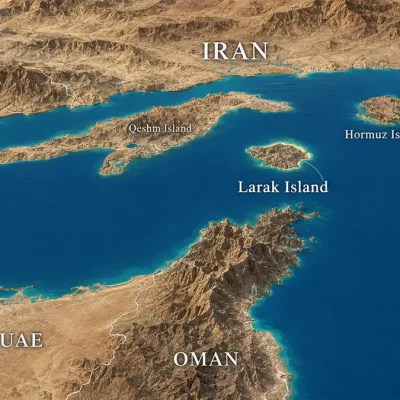


The UAE has agreed to release billions of dollars of frozen Iranian funds, in a political shift aimed at reducing tensions and ending Iranian attacks related to the ongoing conflict between the United States and Iran.
The amount of funds covered by the US-Iran agreement is estimated at between $10 and $20 billion, and according to the report, more than $3 billion has already been transferred to Iran.
The UAE’s move coincides with broader negotiations between Washington and Tehran to end the conflict, which also include discussions on releasing tens of billions of dollars in Iranian oil revenues frozen in foreign banks due to US sanctions.
In return, the UAE and Iran expect to rebuild their security and economic relations and halt Iranian missile and drone attacks on the UAE.
The report indicates that the frozen funds are primarily located within the UAE banking system, particularly in Dubai, which has historically been a major hub for Iranian business and trade.
Conclusions (if the information of the r)llleport is accurate):
1. The report does not discuss Emirati aid to Iran, but rather the release of frozen Iranian funds in the UAE, within the framework of political and security arrangements linked to negotiations to end the war and reach a broader US-Iranian understanding.
2. Politically, the UAE’s action is not an act of siding with or supporting Iran, but rather falls within the broader framework of the US-Iranian agreement, which includes the release of frozen Iranian funds held by some countries, including Iran. From a security perspective, the UAE appears to be seeking to protect its security and economy, while Iran is seeking urgent financial liquidity, and the US is pushing for a broader agreement to end the war. Therefore, this move is viewed as part of a larger regional deal under negotiation, not an isolated event.
3. It seems that economics has become a significant factor in the negotiations, overshadowing political and security considerations, especially since Iran is currently in greater need of liquidity than ever before. This may indicate the extent of the impact of the US naval blockade.
4. This event may indicate that all parties are seeking a way out. The UAE wants security and to protect its prosperity, Iran urgently needs its funds, and the United States wants an agreement that can be marketed as having achieved strategic objectives without prolonging the war. All of this increases the chances of reaching a settlement.
5. The report itself relies on informed but undisclosed sources. There are also conflicting accounts regarding the amount of funds and the mechanism for their release. Meanwhile, the US administration has stated that any release of Iranian funds will be conditional on fulfilling commitments and will not be immediate or unconditional.
6. The position of KSA, Qatar, and Kuwait: The other Gulf states are likely to view any US-Iranian understanding that reduces tensions as a positive development in principle, as maritime security, energy market stability, and investment protection are shared priorities.
– KSA may welcome any arrangements that reduce the likelihood of military escalation in the Gulf, especially after the reconciliation process that began between Riyadh and Tehran in recent years. However, they will also closely monitor whether the released funds will translate into more moderate Iranian behavior or be used to bolster regional influence and military capabilities.
– Qatar may be among the strongest proponents of a negotiated settlement, given its traditional role as a mediator between rival parties and its open relations with both Washington and Tehran.
– Kuwait will likely adopt a position close to its traditional approach of supporting regional stability, reducing tensions, and avoiding polarization, with a focus on Gulf security and protecting maritime routes.
Generally, these countries may see the success of any political settlement as far preferable to the continuation of an open war that could threaten Gulf security and economies.
7. Israel’s Position: Israel is likely to view with caution, and perhaps some reservation, any arrangements that lead to billions of dollars flowing to Iran, even if these funds are of Iranian origin and were previously frozen. The traditional Israeli perspective is that economic pressure and sanctions are among the most important tools for constraining Iranian capabilities. Therefore, Tel Aviv may fear that releasing the funds will grant Tehran greater economic and financial leeway after the war. Conversely, if the release of funds is part of a broader agreement that includes clear restrictions on Iranian military activities, a cessation of attacks against US and allied interests, and enforcement mechanisms, Israel might view it as an imperfect compromise compared to a protracted, inconclusive war. Therefore, the Israeli position may depend significantly on the details of the final agreement: will the funds be conditional and monitored within strict security frameworks, or they will be released broadly, granting Iran greater capacity to rebuild its economic and military strength.
Dr. Sayed Ghoneim