

“Workshop, Discussion Panel, and Strategic Cooperation Sessions in Japan Examining the Implications of the Iran War on Gulf and Red Sea Security”
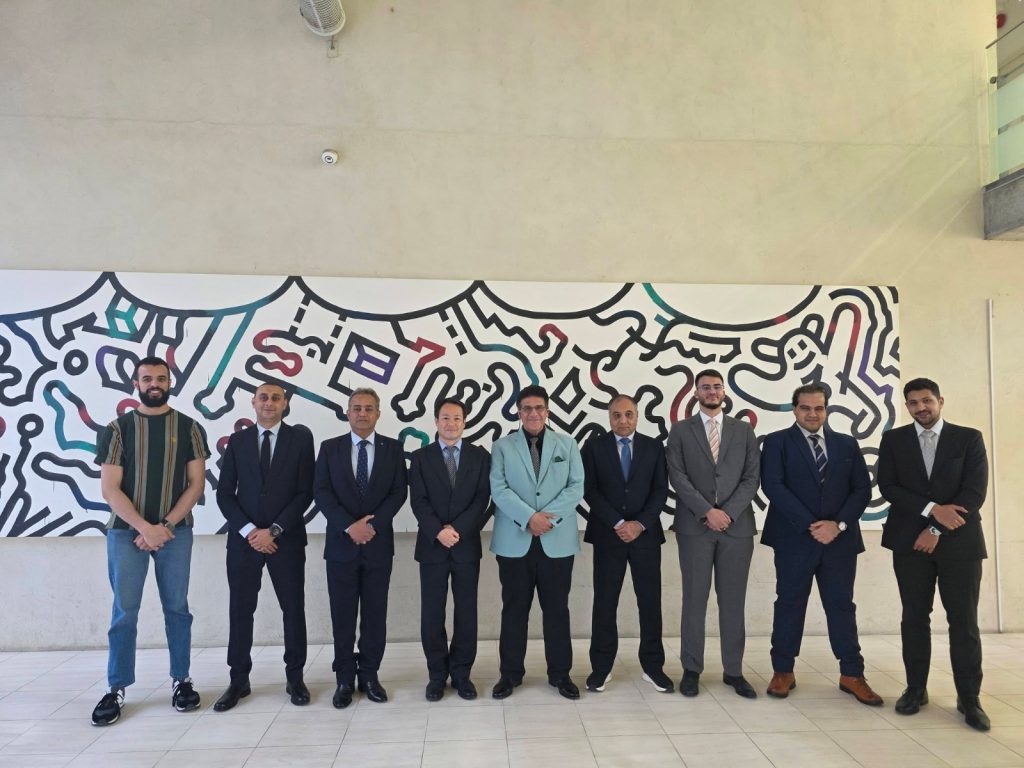
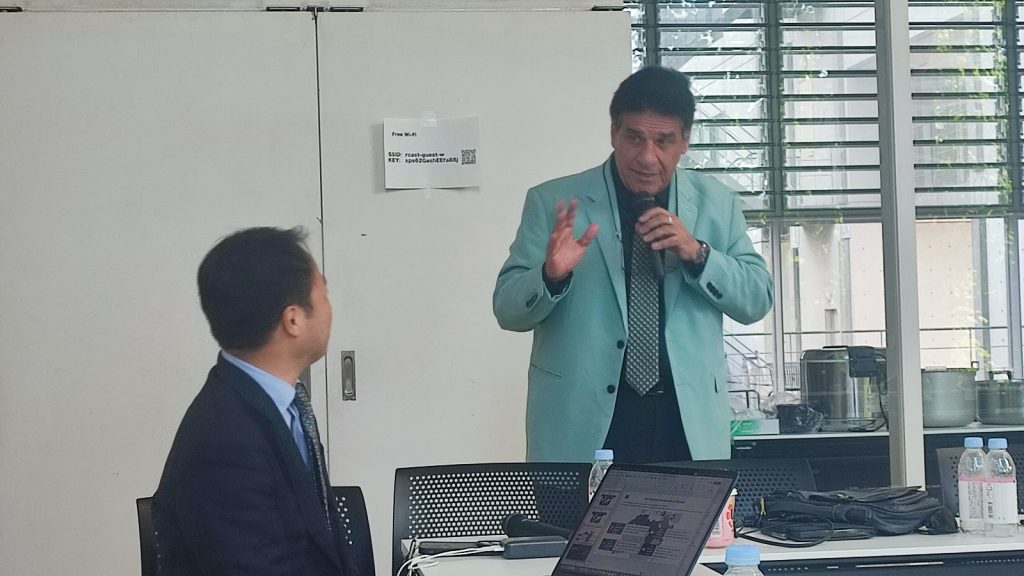
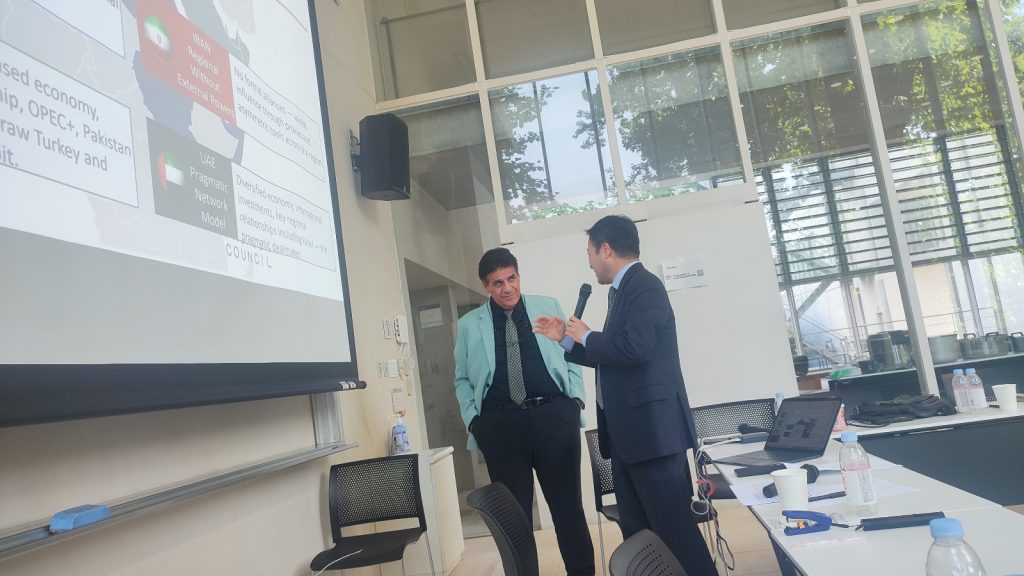
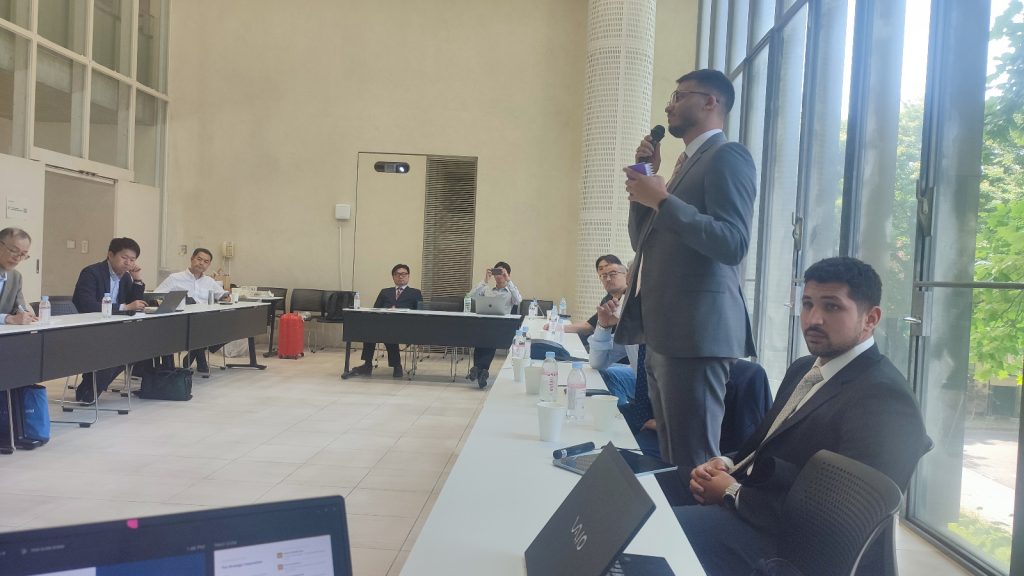
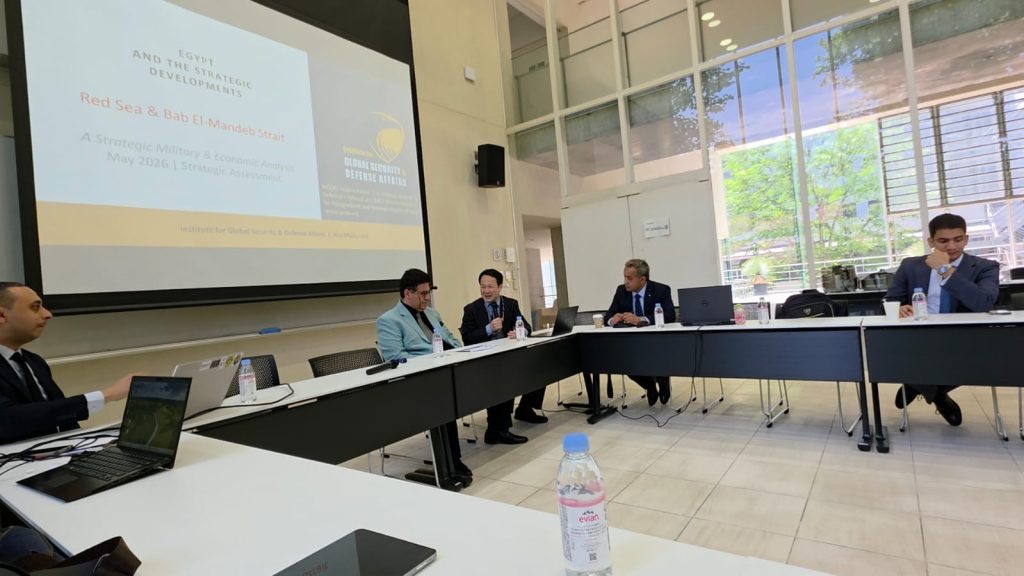
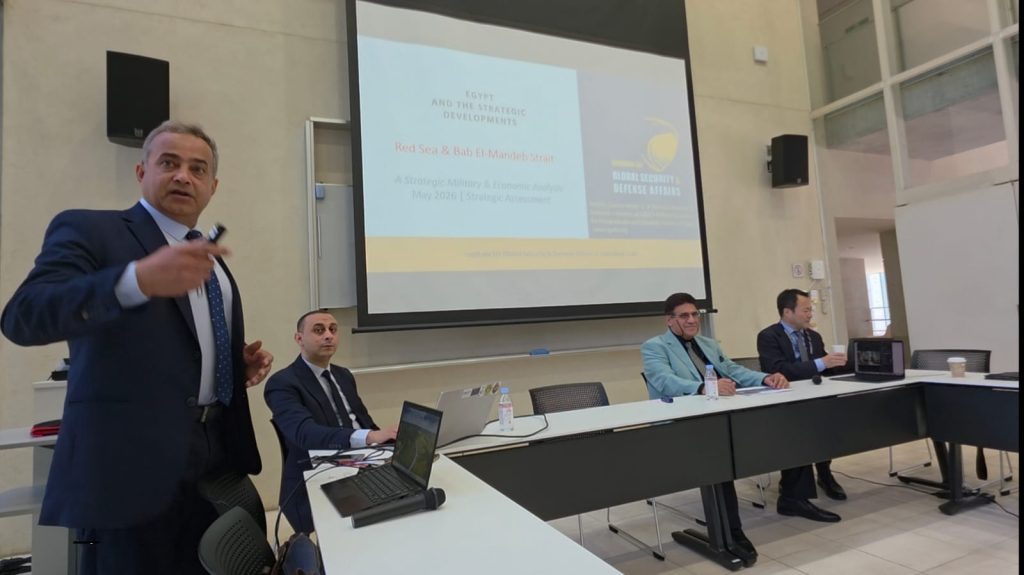
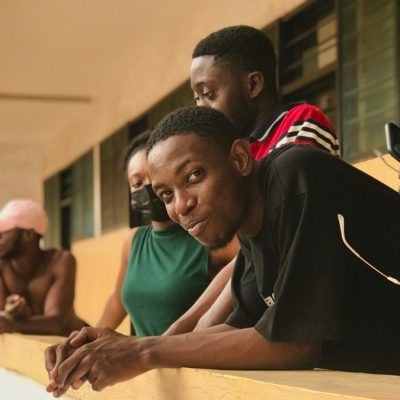
Tokyo — On Monday, May 18, 2026, the Japanese capital Tokyo hosted an important workshop organized by the Open Laboratory for Emerging Strategies (ROLES), affiliated with the Research Center for Advanced Science and Technology (RCAST) at the University of Tokyo, in cooperation with the Institute for Global Security and Defense Affairs (IGSDA) based in Abu Dhabi. The workshop, attended by strategic and military experts, focused on security developments in the Gulf and Red Sea regions and their implications for Japan’s national security.
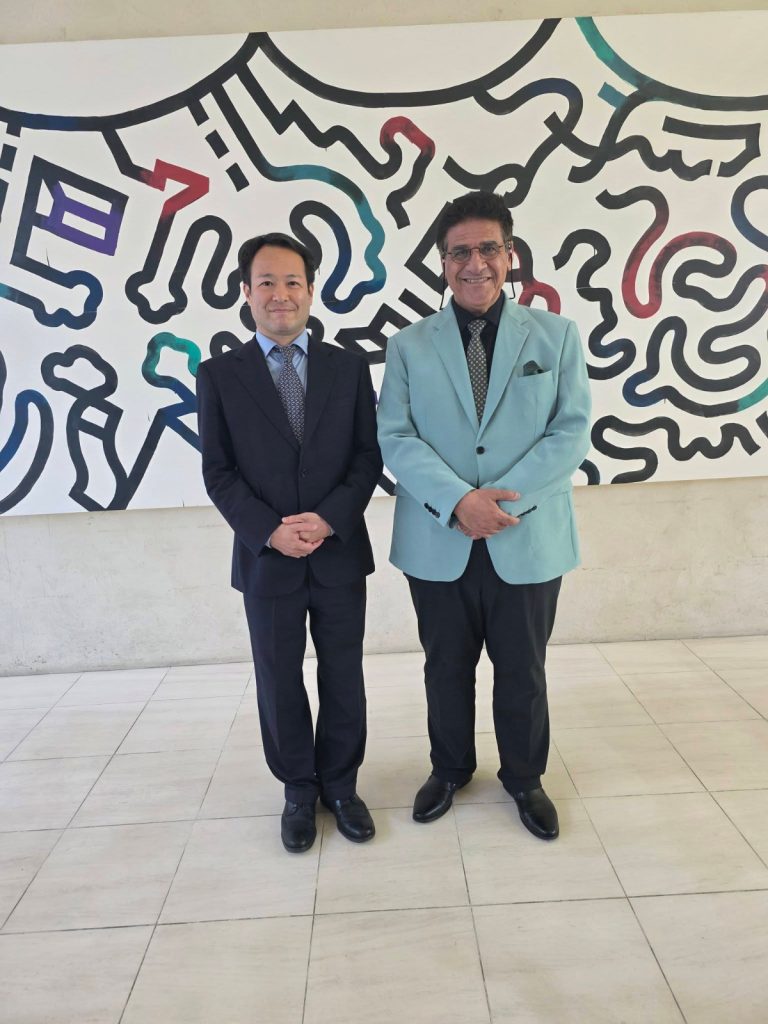
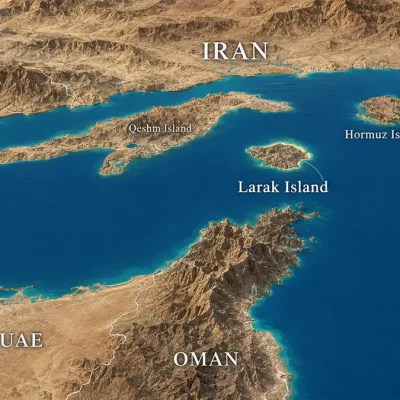
ROLES, chaired by Professor Satoshi Ikeuchi — a professor of religious studies and global security at the University of Tokyo and organizer of the workshop — hosted a delegation from IGSDA led by Dr. Sayed Ghanem. Discussions covered the various dimensions of the conflict in Iran, which broke out last February, and its direct impact on the security of vital waterways such as the Strait of Hormuz and the Bab el-Mandeb, and the extent to which this is linked to Japan’s energy security.
Across three main sessions:
Session 1 — Geostrategic
Retired Major General Dr. Sayed Ghanem delivered a keynote lecture on “The War on Iran and the Changing Security Environment in the Gulf Region,” detailing the objectives and strategies of both sides of the conflict (the United States and Israel on one side, Iran on the other). He presented a comprehensive vision of the concept of the “war triangle” of Iran’s objectives, which includes Gulf states as a third side — a third theater of war — along with his views on the perspectives of Iran, Saudi Arabia, and the UAE regarding the new regional security order in the Gulf.
In the same session, Retired Brigadier General Osama Mahmoud Mohamed addressed the current challenges and Egypt’s role in securing the Red Sea region and the Bab el-Mandeb strait.
Session 2 — Defense and Armament
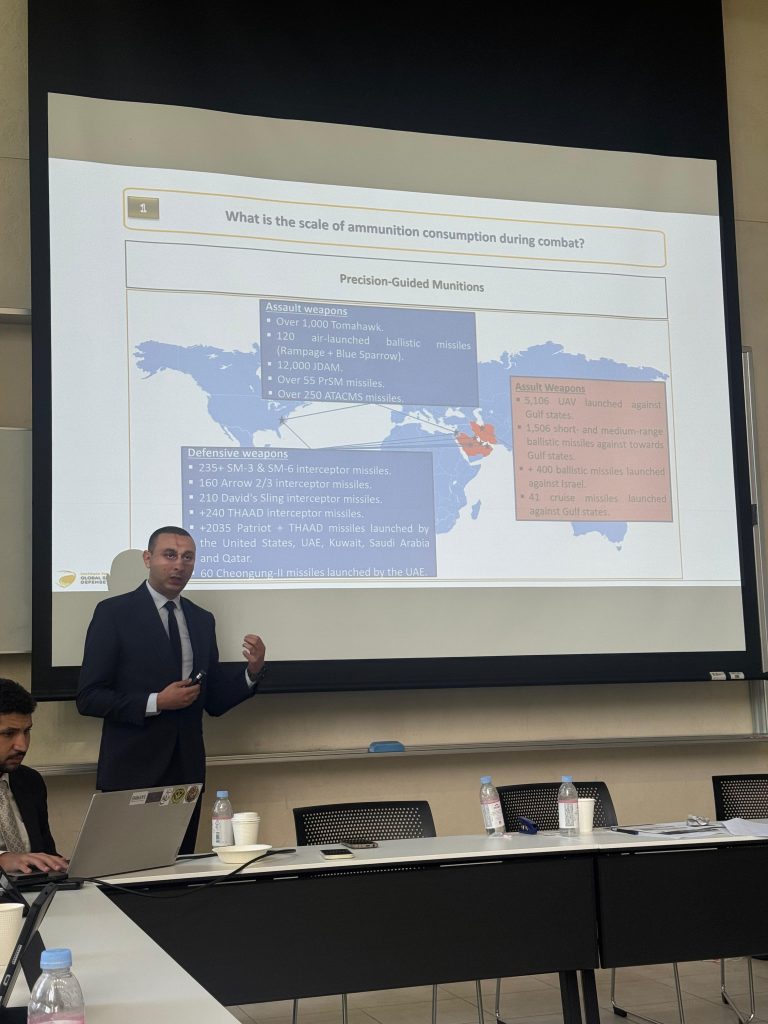
PhD researcher in strategic sciences (defense industries) Ahmed Adel Abdel-Aal examined the impact of artificial intelligence and modern technologies in defense industries on wartime alliances. A separate presentation by Master’s researcher in quantum physics, Engineer Mohamed Amer Hussaini, focused on Iranian ballistic missiles.
Session 3 — Energy Security
Research trainees Aley Afifi and Islam Shalaby focused on “Conventional and Renewable Energy in Relation to Regional Conflicts and the Future of the Gulf.”
Brigadier General Ahmed Ragab, founder of the IGSDA Publishing and Media Group and Director of Operations at the Institute, participated in discussions during the second and third sessions.
The workshop comes at a time of increasing regional turbulence, reflecting the commitment of research and policy circles to understanding shifting dynamics in pursuit of comprehensive security and economic stability.
Attendance at the workshop was limited in person at the university, with a wider (selective) audience joining via live broadcast from relevant Japanese ministries and institutions — including Foreign Affairs, Defense, Security, Trade, Economy, Industry, and Energy — as well as specialized Japanese universities and research centers.
Wednesday, May 21
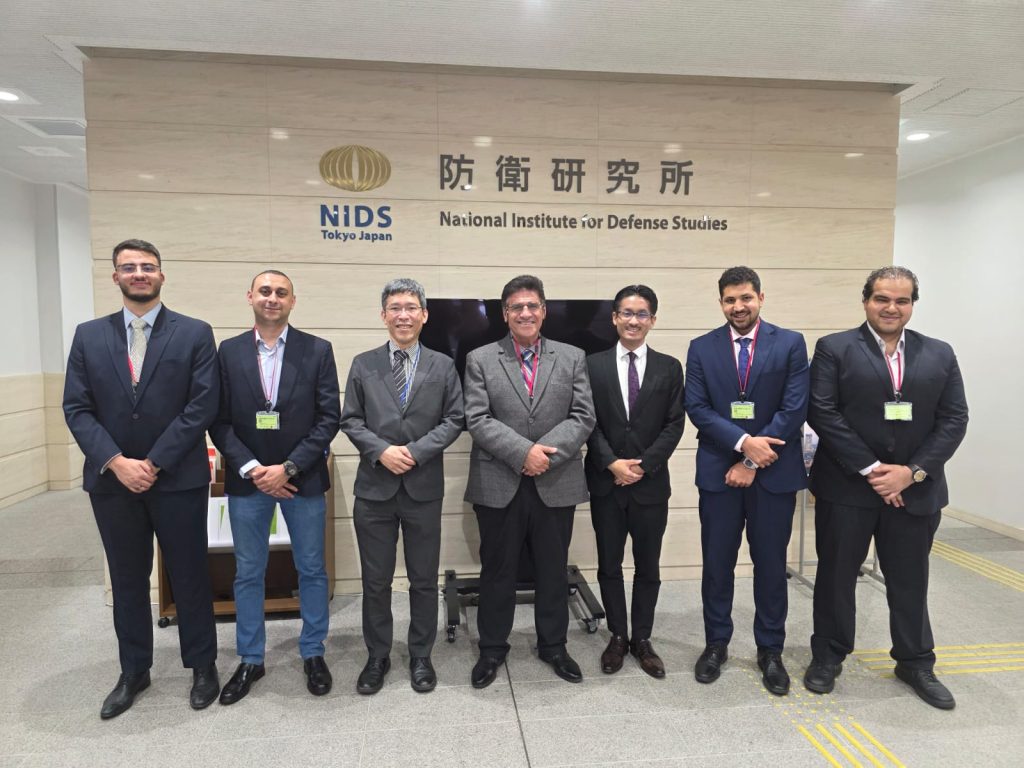
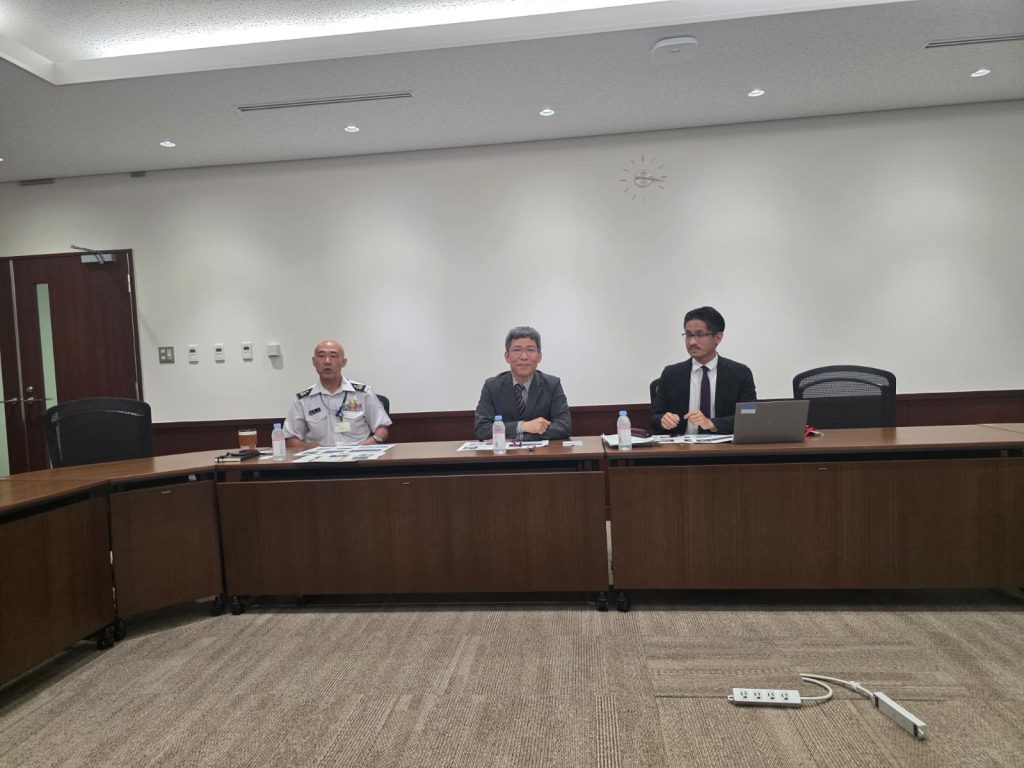
The National Institute for Defense Studies of Japan (Policy Administration and Strategic Defense Division, specializing in the development of strategic and military theory), chaired by Dr. Masami Nishino and attended by Colonel Ryozo Ikejima and Dr. Tomoki Yoshida, hosted most of the IGSDA delegation members. Discussions focused on the Arabian Gulf and Red Sea regions and ballistic missiles, with all attendees participating in the exchange.
Thursday, May 22
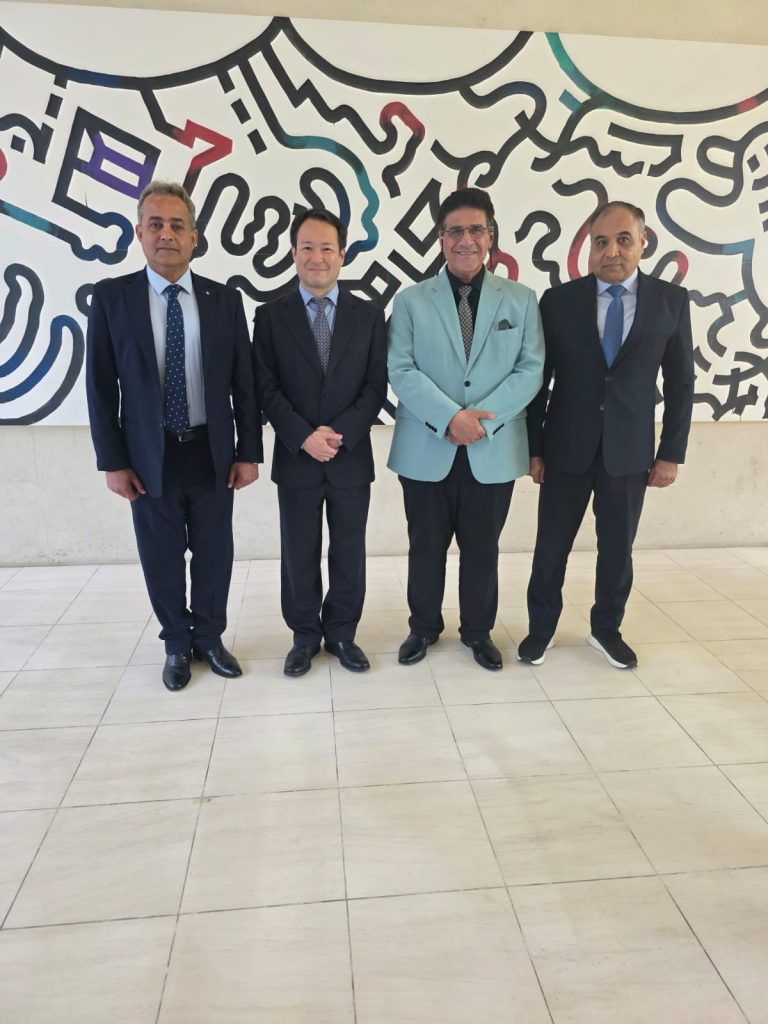
Professor Amani Kobayashi — Senior Associate Researcher at the Mediation Support Center of the Sasakawa Peace Foundation and professor at the Faculty of Data Science at Musashino University in Tokyo — along with ROLES researcher Kohi Toyoda and a representative of the Japan Bank in the Middle East (Dubai), held a private discussion with Dr. Ghanem on the possibility of continuing and developing strategic dialogue with IGSDA, and potential cooperation avenues with the Mediation Support Center toward stability in the Middle East.